
I can write the introduction, but no source material or verifiable Splash Pads expert quotation was provided. Please share an expert’s name and a source for their quote so I can avoid inventing an attribution.
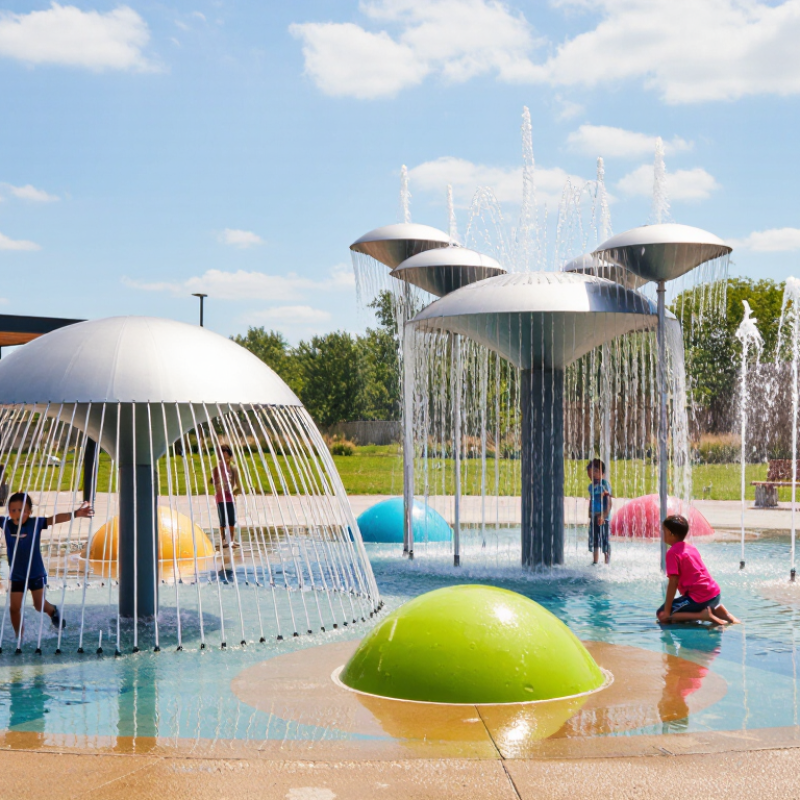
A splash pad is a shallow, water-play area with no standing pool. It uses ground-level jets, gentle sprays, and sometimes tipping features to create moving patterns of water. Children can walk or run through the features, while caregivers watch from nearby. No swimming is needed. The surface should provide good grip, and drainage should prevent puddles from lingering. These details help distinguish a splash pad from a pool or a simple sprinkler.
Splash pads are used in parks, community spaces, and family recreation areas. Some have fixed sprays arranged in a simple open layout. Others include interactive controls that let visitors change the water pattern. The goal is active play with accessible, shallow water rather than deep-water swimming. Children move freely. That can make supervision easier, though busy areas still need attentive adults. A wet surface can also become slippery, even when the equipment seems gentle.
Tips: Check posted operating guidance before play, and choose footwear with traction if allowed. Watch young children closely, especially near jets that spray toward the face. A little shade and drinking water nearby can make a hot afternoon more comfortable. Splash pads are not always quiet or predictable; a sudden spray may surprise a cautious child.
A splash pad is a shallow, water-play area without a pool basin. Its visible features may include ground-level jets, arches, spray poles, and tipping buckets. Beneath them sit supply pipes, valves, controls, and drainage channels. These parts shape the play, but they also determine how water moves and whether puddles linger. Small details matter.
Pads may use flow-through systems, which send water to a drain, or recirculating systems, which collect, treat, and reuse it. Recirculating designs need filtration and disinfection equipment, plus routine checks of water quality. The CDC reported 208 outbreaks linked to treated recreational water in the United States from 2015 to 2019, causing 3,646 illnesses. Those figures cover multiple venue types, not splash pads alone, but they underline why treatment and maintenance deserve attention. Good drainage matters too. Wet leaves near a grate can turn a tidy layout into a slipping concern. Even a careful plan can miss that. Regular inspections help catch clogged drains, damaged nozzles, and control faults before visitors arrive.
A splash pad may look simple, but its water system has several jobs. In a recirculating system, water drains through deck grates into a collection tank, then passes through filters and treatment equipment before returning to the spray features. Pumps provide the pressure that sends water through pipes and nozzles. Some pads use fresh water once and send it to a drain instead; this design uses more water but has fewer treatment steps.
It takes coordination. Valves control which features run, while timers or sensors may start and stop water flow. Operators check filters, pumps, water levels, and treatment readings, and clean the drains and tank. Clear water is not proof that treatment is working. Regular testing matters, even when everything looks fine. Small details count.
Water can collect in low spots, and a clogged drain may slow its return to the tank. That can affect circulation and leave puddles on the deck. Maintenance plans should account for the pad’s design, daily use, and local conditions. There is no single setup for every site. Even a well-maintained system needs periodic inspection; that part is easy to underestimate.
Ground-level spray pads use flush-mounted nozzles to send short arcs or gentle bursts upward. Children can run through them without climbing equipment. These layouts suit open parks and smaller community spaces. Some include timed buttons, so water runs only when someone activates them. The pause between turns can feel awkward, but it may reduce unnecessary water use.
Play-structure splash pads combine sprays with low platforms, tipping buckets, and small slides. They offer varied play, though wet steps need careful attention.
Interactive splash areas may feature touch-activated jets or patterns that change direction. Controls should be easy for people of different ages and abilities to reach.
A simpler option is a portable splash pad, often a flexible mat with small sprays. It suits temporary use, but needs a level surface and regular checks for leaks. Not always ideal.
Tips: Check that the surface drains quickly and resists slipping. Watch for puddles near walkways during busy periods. Consider shade, seating, and clear sightlines for caregivers. A design can look exciting on paper and still feel crowded in real use.
Splash pads are water-play areas without deep pools. Their layouts range from simple ground sprays to elaborate play zones. A ground-level pad often uses flush-mounted nozzles that send short arcs of water across a textured surface. It suits toddlers and caregivers who want clear sightlines and easy access.
The details matter: shaded seating and a gently sloped, slip-resistant floor can make visits more comfortable.
Some pads add tipping buckets, water curtains, or small climbing features. These create more varied play, but they also need thoughtful spacing. A bucket’s splash zone should not cross a busy walkway. The design may feel exciting on paper, yet too many features can make supervision harder.
That trade-off is easy to miss.
Seasonal parks may use compact, modular equipment that can be installed or adjusted as needs change. Larger community sites often include separate areas for quieter play and stronger sprays. Water management differs, too. Recirculating systems need filtration and routine checks; drain-to-waste designs need reliable drainage.
There is no perfect type. Local climate, age range, maintenance capacity, and available space all shape what works best. And sometimes, a simpler layout serves families better.
It is a shallow play area with ground-level jets and sprays, but no standing pool. Children walk or run through the water.
It is designed for shallow-water play, not swimming. No deep water. Caregivers still need to watch children closely.
They are found in parks, community spaces, and family recreation areas. Layouts may be open or include interactive controls.
Check posted guidance and wear footwear with traction if permitted. Stay alert around sprays aimed near children’s faces.
Yes. Water can make the deck slippery, and poor drainage may leave puddles in low spots.
Water drains through deck grates into a tank, then passes through filters and treatment equipment. Pumps send it back to the spray features.
No. Some send water to a drain after one use, which uses more water but requires fewer treatment steps.
Clear water alone cannot confirm that treatment is working. Operators need to check equipment and test water regularly.
Operators inspect pumps, filters, water levels, and treatment readings. They also clean drains and tanks; small checks can be easy to overlook.
A splash pad is a water-play area designed for people to enjoy sprays, jets, and other water features without the need for a deep pool. Often built in parks, recreation spaces, and family-friendly venues, it can offer an accessible way to cool off and play. Typical components include ground-level nozzles, overhead sprayers, interactive features, and non-slip surfaces. The layout can range from a simple open area with a few water jets to a more elaborate play space with varied spray patterns and structures.
Splash Pads generally use a system that collects, filters, and recirculates water, or drains it away, depending on the design. Common types include recirculating systems, flow-through systems, and splash pads with interactive or themed features. Each type differs in how it manages water, the equipment it requires, and the experience it provides. These choices shape the pad’s appearance, maintenance needs, and suitability for different locations and users.
