
Featured Engineering Solutions & Aquatic Structures
Explore high-capacity fiberglass slides, splash pads, and modular water houses designed for international commercial standards.
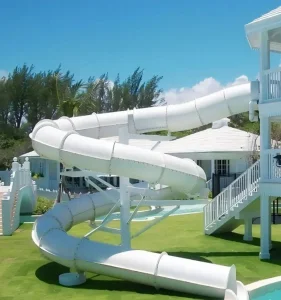
OEM water park tube slide with low cost Suppliers, Factory
View Product Specs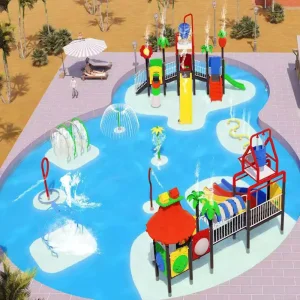
ODM Children Water Park Play Set Manufacturer, Factories
View Product Specs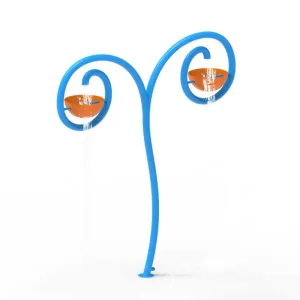
ODM Symmetrical children's water park pouring bucket Manufacturer, Factories
View Product Specs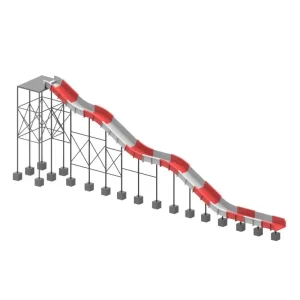
ODM Wholesale Family Water Slides for the Best Pool Slide Manufacturer, Supplier
View Product Specs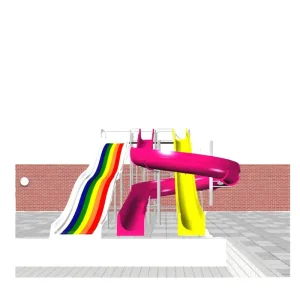
ODM Fun Water Aqua Slide at Amusement Park Manufacturer, Factories
View Product Specs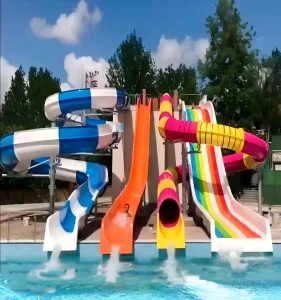
Custom aquapark large swimming pool slides Factory, Factories
View Product Specs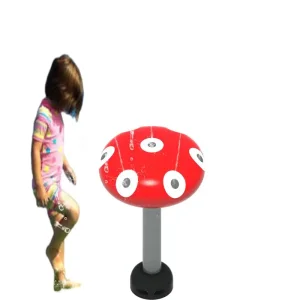
ODM High-Quality Splash Ground Pad for Endless sprinkler Fun Manufacturer, Factory
View Product Specs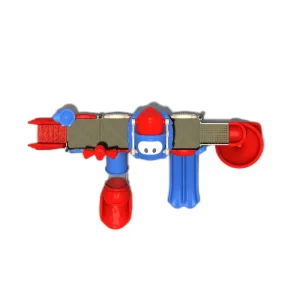
OEM Outdoor Playground Set For Kids -- Children's Outdoor Playset Manufacturer, Factories
View Product SpecsThe Evolution of Global Water Park Engineering & Infrastructure
How technological advancements, material science, and shifting consumer demographics are reshaping procurement requirements for commercial aquatic assets worldwide.
Key Takeaway for B2B Procurement Officers: Modern water park procurement has migrated from simple equipment purchasing to integrated lifecycle risk management. Sourcing decisions now hinge on structural composite longevity, energy/water recirculation efficiency, and rapid modular installation timelines.
The global commercial water park and aquatic play market is experiencing a profound structural transformation. Driven by urban expansion, luxury resort developments, and municipal modernization projects across North America, Europe, the Middle East, and Southeast Asia, operators are forced to prioritize long-term asset resilience. Selecting the right custom water park suppliers & factories is no longer merely an exercise in capital expenditure minimization; it is a strategic decision governing operating margins, safety compliance, and guest retention for 15 to 25 years.
1. Advanced Composite Materials & Resin Transfer Molding (RTM)
Historically, commercial water slides relied heavily on hand-layup fiberglass processes. While cost-effective, hand-layup yields inconsistent wall thicknesses, variable glass-to-resin ratios, and rough backside textures requiring ongoing maintenance. Premier Chinese manufacturing centers, notably specialized industrial hubs in Shanghai and surrounding coastal provinces, have fully integrated automated Resin Transfer Molding (RTM) technology.
RTM manufacturing delivers dual-smooth surfaces on fiberglass reinforced plastic (FRP) slide flumes. This advancement eliminates sharp internal structural edges, optimizes hydrodynamics for enhanced speed control, and significantly increases resistance to chemical degradation caused by continuous exposure to chlorinated or ocean-desalinated water.
UV8 Gel-Coat Resistance
Application of premium NPG/ISO-grade gel coats guarantees surface color vibrancy and prevents chalking under severe UV irradiance (up to UV Index 12 environment conditions).
Hydro-Kinetic Precision
3D computational fluid dynamics (CFD) modeling guarantees optimized rider acceleration profiles, preventing trajectory spillover while maximizing sensory thrilling moments.
Zero-Maintenance Stainless Steel
Structural support columns utilizing hot-dip galvanized steel combined with fluorocarbon or marine-grade AISI 316 stainless coatings resist severe corrosion.
2. Smart Water Management & Zero-Depth Eco-Splash Architecture
Water conservation regulations have introduced strict operational constraints for commercial venues. Modern municipal urban parks and resort pools are replacing deep-water splash basins with zero-depth splash pads and smart recirculating splash grounds. By utilizing automated solenoid valves, smart proximity sensors, and variable-frequency speed pumps (VFDs), contemporary water features activate exclusively upon user interaction. This smart control architecture reduces electrical power consumption by up to 42% and water filtration turnover costs by over 35% compared to legacy continuous-flow systems.
The Strategic Advantage of Sourcing from Chinese Factories
Why top-tier global operators choose OEM/ODM production clusters in Shanghai, China for custom aquatic project execution.
End-to-End Industrial Clusters
From raw resin formulation to heavy structural steel fabrication and high-precision CNC mold carving, China’s aquatic manufacturing ecosystem provides complete vertical integration under one roof.
Unmatched Capital Efficiency
Factory-direct engineering models bypass multi-tiered intermediary markups, offering operators up to 40% savings in initial CAPEX while maintaining full EN1069 and ASTM compliance.
Rapid Prototyping & BIM Integration
In-house R&D teams leverage Building Information Modeling (BIM) and 3D CAD to convert conceptual architectural sketches into fully buildable, stress-tested structural steel plans within days.
Macro Industry Solutions & OEM/ODM Engineering Workflow
From site master planning to global freight dispatch and remote assembly guidance.
Implementing a high-ROI water park asset requires strict execution across distinct engineering phases. Custom water park suppliers must act not merely as hardware vendors, but as full-spectrum technical partners. Below is the standard engineering execution framework deployed for international resort and municipal developments:
Phase 1: Site Feasibility & Hydraulic Planning
Engineers evaluate site topography, local climate constraints, water supply volume, power grid capabilities, and expected peak daily visitor capacities. Initial 2D spatial layouts define safe clearance vectors and queue line dynamics.
Phase 2: Custom Structural & 3D Visual Rendering
Custom thematic elements (e.g., pirate adventures, tropical rain forests, or futuristic sci-fi aesthetic visual skins) are mapped onto fiberglass molds. 3D renderings allow stakeholders to visualize real lighting and spatial proportions.
Phase 3: High-Precision Factory Fabrication
Galvanized steel frames are laser-cut and robotically welded. FRP flumes are cast with controlled gel-coat thickness, subjected to post-curing ovens to maximize flexural strength and surface resilience against climate degradation.
Phase 4: Factory Pre-Assembly & Hydro-Testing
Prior to international freight packaging, complex modular water houses and tube slide assemblies undergo 100% dry and wet trial assemblies inside the factory to verify bolt hole alignability and seam smoothness.
Localized Application Scenarios & Commercial Contexts
Adapting water play equipment specs to distinct commercial environments and guest demographics.
Resorts & Luxury Hotels
Focus: Noise management, aesthetic harmony, and family appeal.
Solution: Low-decibel splash pads and visually soft, themed kids' water houses that complement luxury architectural landscapes without disturbing relaxing adult zones.
Municipal Parks & Public Plazas
Focus: Extreme durability, vandal-proofing, and zero drowning risk.
Solution: Surface-grade zero-depth splash ground pads with stainless steel nozzles, embedded LED illumination, and tamper-proof hardware.
Destination Water Parks
Focus: Maximum hourly throughput, visual drama, and adrenaline impact.
Solution: High-capacity multi-lane family raft slides, symmetrical giant tipping buckets, and high-speed enclosed spiral tube slides.
Global Enterprise Procurement Guide: Compliance & Quality Assurance
How institutional buyers and engineering firms mitigate compliance risks when importing aquatic structures.
When sourcing large-scale fiberglass slides and aquatic structures from international suppliers, corporate procurement teams must enforce stringent compliance checkpoints. Bypassing international safety standards can lead to catastrophic operational liabilities, regulatory shutdowns, or costly mid-season structural repairs.
Essential International Certification Standards
- EN 1069 (Parts 1 & 2): The definitive European standard governing water slide safety requirements, structural stability, and hydrodynamic testing metrics.
- ASTM F2376: Standard practice for classification, design, manufacture, construction, and operation of water slide systems across North America.
- ISO 9001 / 14001 / 45001: Factory-level Quality Management, Environmental Safety, and Occupational Health management system accreditations.
- CE Marking: Compliance with mandatory European Union health, safety, and environmental protection directives.
Factory Inspection Protocol Tip: Always mandate factory acceptance testing (FAT) videos and independent third-party mill test certificates for stainless steel grades (verifying minimum 8% Nickel content for 304 alloy, or 10% for 316 alloy) prior to authorizing balance payments.
Additional Commercial Aquatic & Outdoor Play Equipment
Select specific structural elements, spray columns, and modular play sets to complete your site master plan.
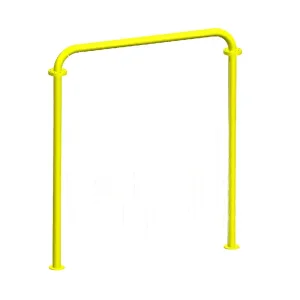
ODM spray pad park water door Curtain flow Manufacturer, Manufacturers
View Product Specs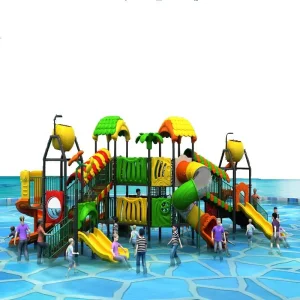
OEM kid aqua park water house with plastic slide Manufacturers, Supplier
View Product Specs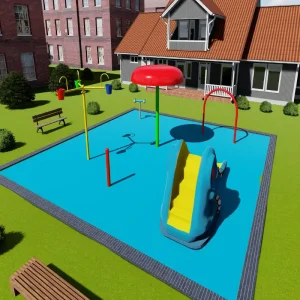
Custom Water Park Spray Column Fountain Manufacturer, Factories
View Product Specs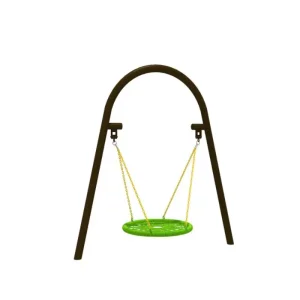
ODM Outdoor Swing Set for Children's Play Supplier, Factories
View Product Specs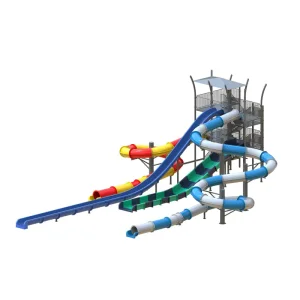
OEM Customized Commercial Slide In Water Park-The Fun Of Outdoor Fiberglass Slides Manufacturer, Supplier
View Product Specs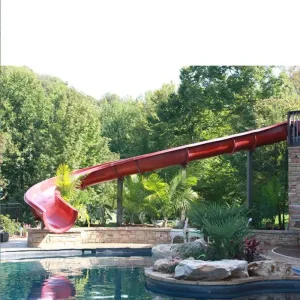
ODM home swimming pool slides Manufacturer, Factory
View Product Specs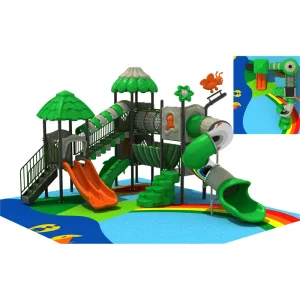
OEM Design Your Playground Area With Children's Slide Equipment Supplier, Factory
View Product Specs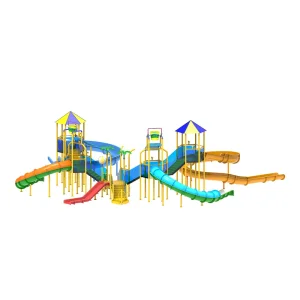
Custom outdoor water play equipment: Durable Spiral Water Slide-water slide manufacturer Manufacturers, Factory
View Product SpecsFrequently Asked Questions by Procurement & Engineering Teams
Expert answers regarding manufacturing lead times, customization limits, installation guidance, and warranty coverage.
How do custom water park factories ensure structural safety and compliance for custom ODM layouts?
What is the typical production and delivery timeline for a custom commercial water house or big slide?
Can Chinese water park manufacturers accommodate custom thematic branding and architectural skins?
What installation support is provided for international projects outside China?
How are water slide surfaces protected against high ambient temperatures and intense sunlight?
Ready to Engineer Your Next Water Park Destination?
Contact our Shanghai engineering office today for a free site layout consultation, CAD proposal, and factory-direct price quotation.
Request Free Engineering Proposal