Industrial Engineering White Paper · 2025 B2B Edition
OEM Splash Pad To Buy Manufacturers & Factories
The Definitive Global Guide to Commercial Aquatic Play Infrastructure: Technical Engineering Specifications, Hydraulic Automation, ASTM/EN Regulatory Compliance, and Factory Direct Procurement Strategies.
Commercial Catalog Portfolio
Factory-direct certified structural components
Featured Commercial Water Play & Slide Equipment (Part 1)
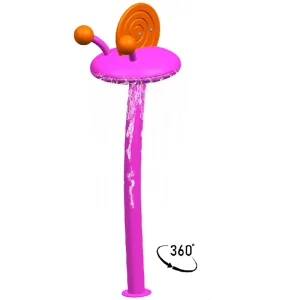
Custom Attractive Snail Sprayer Water Games for Kids-Fun Splash Pad Manufacturers, Supplier
View Product Specs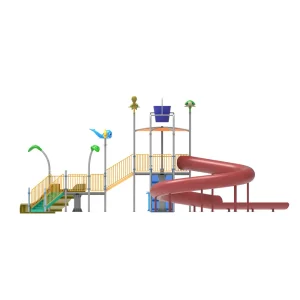
Custom High-Quality Ocean Series Water Slide -FRP slide manufacturing Suppliers, Factories
View Product Specs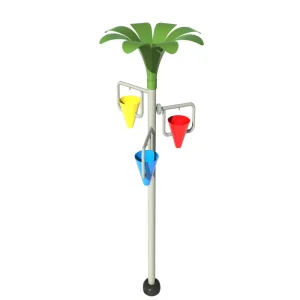
OEM Children's Water Spraying Play Buckets for Splash Fun Supplier, Suppliers
View Product Specs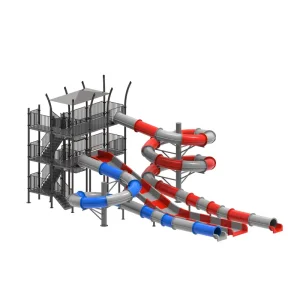
Cheap Custom Pool Slides & Fiberglass Residential Water Slide - Commercial Curved Water Slides Suppliers, Factories
View Product Specs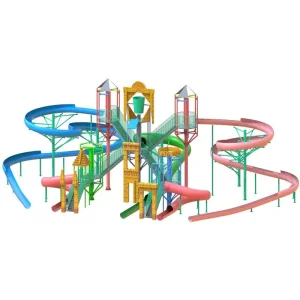
Cheap Large Water House for Adults and Kids at Spray Park Manufacturers, Factories
View Product Specs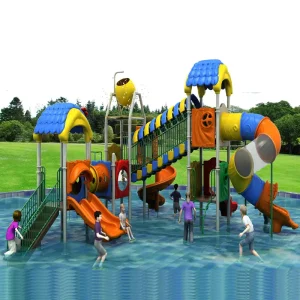
OEM aqua park water play slide house Factory, Factories
View Product Specs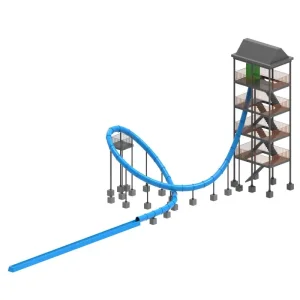
Cheap Customized Long Tube High Speed Fiberglass Water Slide for Thrilling Aquatic Fun Manufacturer, Factories
View Product Specs
Executive Industry Insight
Macro Aquatic Trends: Why Commercial Developers Are Migrating to Zero-Depth OEM Splash Pads
The commercial recreational landscape is undergoing a systemic structural transformation. Municipal urban planners, resort operators, and water park developers are increasingly divesting from high-liability standing water pools in favor of advanced zero-depth aquatic play environments.
-94%
Drowning Risk Liability Elimination vs Standing Depth Pools
68%
Reduction in Operational Power Consumption via Demand-Based VFD Control
3.2x
Higher Family Dwell Time Recorded in Hospitality Venues
100%
ADA Wheelchair & Inclusive Play Accessibility Compliance
Capital Expenditure (CapEx) Efficiency
Direct sourcing from established OEM splash pad manufacturers eliminates intermediary distributor markups, reducing overall equipment procurement expenditure by 30% to 45%. Commercial splash pads require significantly less structural concrete reinforcement than traditional swimming pools, eliminating the need for deep excavation, certified lifeguard stations, and high-volume surge tanks.
By specifying modular, factory-prefabricated hydraulic manifolds and quick-connect spray nozzles, engineering teams can condense site installation timelines from months down to a matter of weeks, accelerating the Return on Investment (ROI) cycle for commercial real estate developments.
Operational Expenditure (OpEx) Optimization
Modern zero-depth splash zones operate on sophisticated recirculating dynamic water filtration circuits or direct-to-drain smart activation modes. When paired with Programmable Logic Controller (PLC) sequence valves and piezoelectric user-activation buttons, water is pressurized only upon user demand.
This hydro-dynamic sequencing reduces chemical dosing consumption (sodium hypochlorite and acid feeds) while cutting pump electrical consumption during off-peak hours by up to 60%, establishing a lean operational model suited for long-term municipal and commercial upkeep.
Factory Metallurgy & Material Science
Industrial Manufacturing Specs: Materials, Metallurgy, and Coatings
To withstand aggressive chlorinated environments, saline air in coastal resorts, and extreme UV degradation, commercial splash pad manufacturers utilize heavy-duty industrial alloys and specialized composites engineered for multi-decade durability.
| Material Component | Industrial Grade & Specification | Corrosion & UV Protection | Primary Application Zone |
|---|---|---|---|
| Structural Stainless Steel | AISI 316L Marine Grade Steel / Seamless Tubing | Passivated & Electropolished (0.4μm finish) | Spray arches, dumping buckets, structural columns |
| Fiberglass Reinforced Plastics (FRP) | Isophthalic NPG Gelcoat + Hand-Layup Resins | UV-20 Stabilized, Anti-Osmosis Barrier Coatings | Flume slides, water houses, thematic spray heads |
| Polyethylene Sheet Components | High-Density PE / UV-Injected LLDPE Plastics | Color-fast Pigments, Anti-Static Additives | Interactive panels, barrier walls, splash buckets |
| Safety Surfacing Compounds | Poured-in-Place EPDM Rubber Granules + Polyurethane Binder | Non-porous, Slip-resistant (DIN 51097 Class C) | Zero-depth deck surfacing, pad boundaries |
| Internal Hydraulic Manifolds | Schedule 80 PVC / ASTM A312 Stainless Piping | Hydrostatic Pressure Tested to 150 PSI | Underground distribution lines & valve vaults |
Electropolished Stainless Steel
Standard 304 stainless steel quickly fails in heavily chlorinated aquatic environments. Premium OEM factories utilize exclusively AISI 316L marine-grade stainless steel, undergoing a multi-stage electrochemical passivation process. This strips iron contaminants from the surface, creating a chrome-oxide shield that completely blocks tea-staining and pitting corrosion.
NPG Isophthalic Gelcoats
Fiberglass components feature thick, factory-applied Neopentyl Glycol (NPG) Gelcoats. This specialized polymer matrix resists bleaching from intense solar radiation and high chlorine oxidation, maintaining vibrant color saturation, mirror-like smoothness, and structural flexural strength over 15+ years of continuous outdoor exposure.
Vandal-Proof Hardware
Public park installations require tamper-proof fasteners. Commercial splash pad features assemble with recessed, pin-in-torx 316 stainless steel security bolts and concealed internal mounting flanges, protecting the play structure from vandalism, physical tampering, and mechanical failure under heavy public usage.
Automation & Hydraulics
Smart Water Management Architecture: Recirculation vs Pass-Through Systems
Selecting the appropriate hydraulic architecture is the single most critical engineering decision during project design. OEM splash pad manufacturers offer two distinct water handling systems depending on municipal regulations, water availability, and utility budgets.
Option A: Closed-Loop Recirculation Water Management
In closed-loop systems, water draining from the splash pad surface flows into a sub-grade holding tank (holding capacity typically 3,000 to 10,000 gallons). High-flow recirculating pumps draw water through multi-stage commercial filtration equipment before returning it to spray features.
- Filtration: High-rate sand filters or regenerative media filters down to 5 microns.
- Sanitization: Automated dual-parameter pH/ORP controllers driving liquid chlorine dosing and medium-pressure industrial Ultra-Violet (UV) sterilizers.
- Best For: High-traffic commercial sites, water parks, and locations with strict water conservation mandates.
Option B: Pass-Through (Splash-to-Waste / Potable) Systems
Pass-through configurations connect directly to the municipal potable water supply line. Water passes through spray nozzles once and drains directly into municipal storm sewers or irrigation holding tanks for landscape re-use.
- Infrastructure: Zero water treatment equipment, surge tanks, or chemical dosing rooms required.
- Mechanical Simplicity: Low initial capital investment; minimal complex electrical maintenance.
- Best For: Small municipal neighborhood parks, budget-conscious community developments, or areas with low municipal water utility fees.
Smart Controller Sequencing & Interactive Automation
01
Standby Mode
Pumps idle at minimal Hz via VFD; water features remain off, saving power.
02
Piezo Activation
Child touches a low-voltage piezo button or trips optical motion sensors.
03
PLC Sequencing
The central controller opens fast-acting solenoid valves in timed sequences.
04
Dynamic Hydro Play
Fountains, cannons, and spray rings fire dynamically to create engaging play patterns.
05
Auto Shut-Off
After a pre-programmed timer (e.g., 5 mins), the system reverts back to power-save standby.
Compliance & Safety Verification
Global Regulatory Frameworks: ASTM F2461, EN 1176, & ADA Accessibility
Deploying commercial aquatic equipment across North America, Europe, Australia, and the Middle East demands strict compliance with regional safety codes, slip-resistance standards, and structural load factors.
ASTM F2461 Standard
The standard practice for manufacture, construction, operation, and maintenance of aquatic play equipment. Requires strict head entrapment avoidance (gaps between 3.5” and 9”), maximum nozzle velocity limits to prevent eye impact injuries, and non-toxic, lead-free certified materials.
EN 1176 & EN 13451 (EU)
European safety norms governing commercial playground and water park structures. Mandates rigorous structural calculations for wind loads, dynamic water impact weights, structural shear stress, and anti-entanglement design for slides and climbing elements.
ADA & Universal Inclusive Play
Zero-depth splash pads naturally eliminate vertical entry steps, enabling full wheelchair accessibility. OEM designs incorporate flush-mounted drain covers, barrier-free spray zones, and tactile, low-resistance activation buttons designed for children of all physical abilities.
Engineered Hydraulic Safety Guidelines
All OEM nozzles are hydro-engineered with flow-limiting orifices to guarantee that water discharge velocities do not exceed 20 feet per second (6 meters/second), eliminating potential soft-tissue injury risk while maintaining dramatic spray heights and aesthetic misting effects.
Commercial Real Estate & Municipal Case Applications
Target Deployment Scenarios: Maximizing Venue Dwell Time and Commercial Revenue
Whether retrofitting a space-constrained hotel pool deck or engineering a massive 15,000 sq.ft. municipal splash park, custom OEM production provides tailored layouts aligned with specific business goals.
Hospitality & Resorts
Luxury Hotel Pool Decks
Hotels replace underutilized shallow wading pools with high-impact, quiet-operation splash features. By creating dedicated toddler and family splash zones, hotels boost family room booking conversion, increase on-site food and beverage sales by 25%, and reduce liability insurance rates.
Public Sector
Municipal Urban Parks
Cities convert costly, aging municipal swimming pools into zero-depth splash parks. This eliminates the necessity for full-time lifeguard staff, minimizes seasonal water consumption, and provides inclusive public recreation accessible to all socioeconomic demographics.
Retail Infrastructure
Commercial Malls & Plazas
Outdoor shopping plazas integrate interactive splash pads within central plazas. Families spend extended afternoon hours on-site, directly elevating retail foot traffic, restaurant patronage, and overall commercial lease valuations for real estate owners.
Financial ROI Comparison: Splash Pad vs. Commercial Swimming Pool
| Evaluation Parameter | Commercial Splash Pad (Recirculating) | Traditional Commercial Swimming Pool |
|---|---|---|
| Initial Turnkey CapEx | $80,000 – $250,000 (Low Structural Concrete) | $250,000 – $750,000+ (Deep Excavation & Shell) |
| Annual Lifeguard Payroll | $0 (Zero-depth eliminates lifeguard requirement) | $40,000 – $90,000 annually per shift |
| Insurance & Liability Cost | Low (Classified as non-drowning play surface) | High (High slip/fall & submersion risk) |
| Seasonal Winterization | Rapid blow-out lines & drain valve closing (1 Day) | Complex draining, tarping, structural monitoring |
Factory Audit & Quality Control Protocol
How to Evaluate OEM Splash Pad Manufacturers & Factories
Sourcing directly from overseas manufacturers requires systematic verification of structural engineering capabilities, factory testing protocols, and export freight packaging standards.
Factory Inspection Checklist
- Hydrostatic Pressure Testing Logs: Verify that internal manifold piping is factory-tested at 1.5x operating pressure prior to shipping.
- Ultrasonic Gelcoat Thickness Gauging: Ensure gelcoat layer thickness on FRP slides measures between 0.6mm and 0.8mm to prevent micro-cracking.
- Non-Destructive Weld Testing (NDT): Confirm structural welds on stainless steel columns undergo dye-penetrant or magnetic particle inspection.
- Pre-Assembly Trial Fits: Demand 3D mock-up assembly videos at the factory to confirm flange alignment and bolt hole tolerances.
Logistics & Installation Support
- Knock-Down (KD) Packaging: Heavy structural frames packed in custom wooden crates with rust-inhibiting VCI film for maritime transport.
- Color-Coded CAD Schematics: Components shipped with matching numbered tags corresponding directly to 3D installation blueprints.
- On-Site Supervision: Dispatch options for bilingual mechanical engineers to supervise local installation crews and commission pump rooms.
- Spare Parts Kit: Every OEM shipment includes critical replacement seals, O-rings, spray nozzles, and solenoid valves.
Future Technology Roadmap
Next-Generation Aquatic Innovation: IoT Telematics & Sustainable Biomimetics
The future of commercial splash pad engineering combines real-time cloud diagnostic monitoring, energy-neutral hydraulic circuits, and bio-inspired kinetic play mechanics.
Cloud Telematics & Remote Diagnostics
Next-gen pump vaults connect directly to IoT cloud platforms. Facilities managers monitor chemical balance (pH/ORP), filter pressure differentials, water temperature, and flow rates in real-time via smartphone dashboards, receiving automated alerts prior to equipment failure.
Solar-Assisted & Micro-Turbine Energy
OEM R&D teams are integrating micro-hydro inline turbines inside main water supply headers. As high-pressure water rushes through the pipes to power spray nozzles, micro-turbines harvest energy to recharge internal battery banks and LED lighting arrays.
Kinetic & Biomimetic Spray Features
Moving away from static plastic shapes, modern designs adopt biomimetic structures—mimicking mechanical flowers, lotus leaves, and aquatic life—that react dynamically to water pressure shifts, creating mesmerizing motion effects without requiring electrical motors.
Procurement Knowledge Base
Frequently Asked Questions: OEM Splash Pad Manufacturing & Buying Guide
Expert engineering responses to the most critical technical, financial, and logistical questions raised by commercial buyers and project planners.
What is the estimated total cost of buying and installing a commercial OEM splash pad?
Equipment procurement costs directly from an OEM factory typically range from $20,000 to $90,000 depending on the number of spray features, slides, and structure complexity. Turnkey site construction (including concrete slab pouring, surfacing, plumbing, sub-grade holding tanks, and electrical commissioning) generally brings the total project investment between $60,000 and $220,000.
How long does custom OEM/ODM manufacturing and delivery take?
The standard manufacturing timeline is 25 to 35 business days following 3D CAD layout approval. Ocean freight shipping times vary by destination: 15–20 days to West Coast North America, 25–30 days to Europe, and 12–18 days across APAC regions. Fast-track production lines are available for urgent commercial resort developments.
What warranty coverage is provided by the manufacturer?
Standard commercial warranty terms include: 10-Year Limited Warranty on AISI 316 stainless steel structural posts and flanges; 5-Year Warranty on fiberglass (FRP) slides and structural gelcoat integrity; 2-Year Warranty on mechanical pumps, PLC controllers, and automatic valves; and 1-Year Warranty on spray nozzles and rubberized gaskets.
Can OEM splash pad features be customized to fit specific corporate themes or colors?
Yes. Full ODM/OEM customization is standard. In-house engineering teams can match exact corporate RAL color palettes, incorporate custom mascot designs, integrate branded logos into PE panels, and design architectural spray structures tailored to specific spatial dimensions and age-group requirements.
What surface material is recommended for splash pad decks to prevent slipping?
The industry gold standard is Poured-in-Place (PIP) EPDM Rubberized Surfacing or specialized Pore-Shield Polyurethane Coatings certified to DIN 51097 Class C slip resistance. Brushed or textured non-slip concrete is also a cost-effective alternative for public municipal installations.
What standard maintenance is required to operate a commercial splash pad?
Daily tasks include checking chemical chlorination levels (ORP/pH) and clearing surface drain grates. Weekly maintenance involves backwashing sand filters and inspecting spray nozzles for calcium scale build-up. Annual winterization requires blowing water out of underground lines with compressed air and sealing valve vaults before freezing temperatures hit.
Factory Catalog Portfolio
Direct wholesale supply options
Featured Commercial Water Play & Slide Equipment (Part 2)
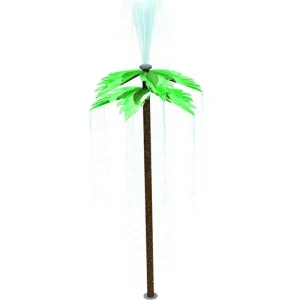
OEM Coconut Tree Water Fun for Kids-tree splash pad Suppliers, Factories
View Product Specs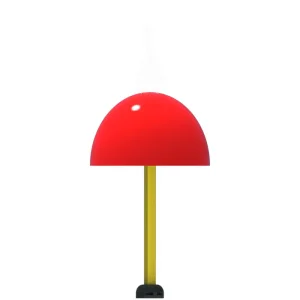
ODM small SHOWER DOME fountain equipment Manufacturer, Supplier
View Product Specs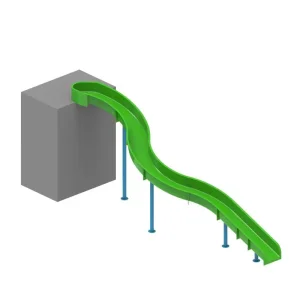
OEM Kids Swimming Pool spiral Slides - The Must-Have Amusement Ride for Summer Manufacturer, Suppliers
View Product Specs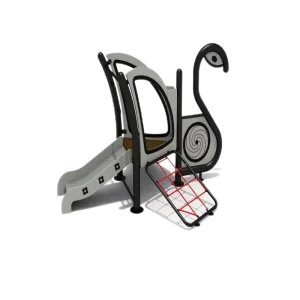
Custom Custom PE board playset for kids Factory, Factories
View Product Specs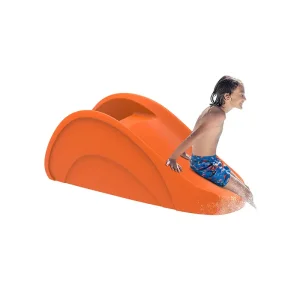
Custom small slide child water pool slide Manufacturers, Factories
View Product Specs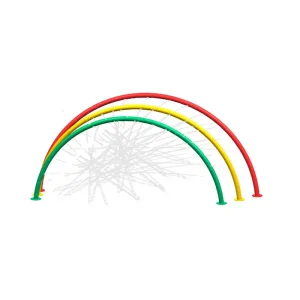
OEM Water Ring Games for Kids-Loop into Endless Water Play Manufacturers, Suppliers
View Product Specs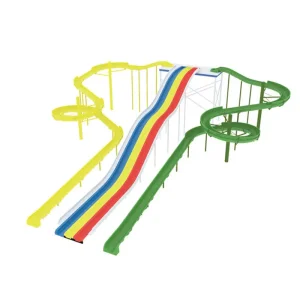
Cheap Commercial Swimming Pool Slides - Water Amusement Park Slides Factory, Factories
View Product Specs