Cheap Dry Park Manufacturer & Suppliers for Tokyo
Engineering Low-TCO Commercial Non-Powered Play Structures Tailored for Tokyo’s Urban Landscape & Seismic Standards
High-Efficiency Commercial Dry Park Systems
Premium non-powered play equipment optimized for direct-factory cost efficiency, compact footings, and high visitor capacity.
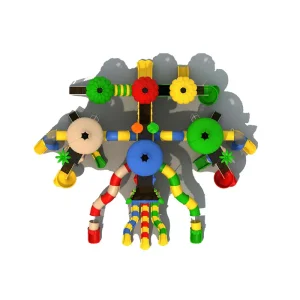
Tokyo Woodland Series: Big Custom Forest Theme Outdoor Slide Structure
Explore Model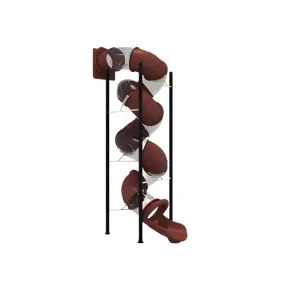
Tokyo Urban Modular: Heavy-Duty OEM Plastic Tube Slide Playground System
Explore Model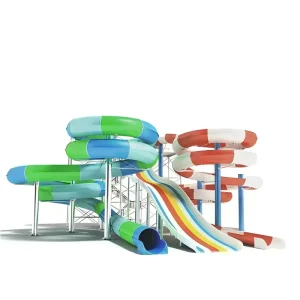
Tokyo Hybrid Aquatic-Dry Park: Combined Spiral Fiberglass Slide System
Explore Model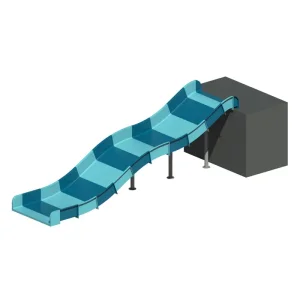
Tokyo Multi-Rider Family Fun: Commercial Wide Fiberglass Slide Complex
Explore ModelMacro Commercial Dynamics of Dry Parks in Greater Tokyo
Strategic analysis of urban micro-destinations, non-powered amusement investments, and operational yield optimization in high-density Japanese metropolitan markets.
1. The Shift Toward Non-Powered Play Infrastructure in Tokyo
The Tokyo Metropolitan Area, housing over 37 million residents across its dense urban core and surrounding prefectures (Kanagawa, Saitama, Chiba), represents one of the world's most sophisticated and space-constrained commercial real estate environments. Historically dominated by massive mechanical theme parks and power-intensive amusement arcades, the local recreational market is undergoing a seismic structural pivot toward Non-Powered Outdoor & Indoor Dry Parks (非動力遊具パーク).
Driven by rising electricity tariffs in Japan, heightened municipal sustainability targets, and the operational demands of commercial real estate developers in districts like Shinjuku, Minato, Shibuya, and Koto City, dry parks offer an unparalleled return on investment (ROI). Unlike traditional motorized rides requiring continuous power supply, specialized maintenance crews, and high insurance liability, dry park equipment relies on human-powered kinetic interaction—climbing, sliding, balancing, and tactical maneuvering.
SEO Information Gain Insight: In Tokyo's real estate ecosystem, "Cheap" does not imply inferior engineering or compromised aesthetics. It defines a highly optimized Total Cost of Ownership (TCO) model: factory-direct manufacturing leverage, zero electricity costs, minimal routine maintenance, and modular structures designed for rapid assembly on high-value urban land or commercial rooftops.
2. Financial Comparison: Dry Parks vs. Motorized Play Centers
To evaluate why municipal buyers, private school networks, and commercial operators in Tokyo are actively seeking factory-direct dry park manufacturers, consider the 10-year financial breakdown comparing conventional mechanical attractions with modern engineering-grade dry play structures:
| Operational Metric | Motorized / Electrical Play Centers | Leisure Dry Park Infrastructure | Tokyo Market Advantage |
|---|---|---|---|
| Initial Capital Expenditure (CapEx) | High ($500k – $2M+) | Optimized Factory-Direct ($80k – $300k) | 60-70% lower entry barrier for developers |
| Energy Consumption (OpEx) | Continuous high voltage load | ¥0 / Zero Wattage | Complete immunity to Japanese grid rate hikes |
| Annual Maintenance Overhead | 12–18% of initial equipment cost | < 2% (periodic structural inspection) | Reduced reliance on specialized technicians |
| Regulatory & Inspection Cadence | Strict monthly elevator/motor safety audits | Annual structural integrity audit (JIS standard) | Streamlined municipal approvals in Japan |
| Typical Dwell Time | 20–45 minutes per ride sequence | 90–150 minutes continuous self-guided play | Drives peripheral foot traffic to adjacent retail |
Precision Manufacturing & Technical Compliance for Japan
Built to exceed Japanese Industrial Standards (JIS S 5671) and withstand Tokyo's unique environmental and seismic demands.
Seismic Grade Anchoring
Engineered with reinforced concrete footings and high-tensile 304/316 stainless steel anchor bolts rated to resist seismic accelerations up to Grade 7+ on the Shindo scale, guaranteeing structural integrity during Tokyo earth tremors.
Typhoon Wind Shear Resistance
Tokyo coastal areas (Tokyo Bay, Odaiba, Toyosu) face severe late-summer typhoons. Our open-truss steel frameworks and aerodynamics-tested LLDPE components withstand wind shear velocities exceeding 60 m/s.
UV-8 Anti-Fading Polymer Gel-Coat
Custom-formulated Korean LLDPE plastics infused with UV Stabilizer Grade 8 prevent color degradation, thermal warping, and micro-cracking caused by intense seasonal sunlight exposures.
Non-Toxic Eco Synthetic Formulations
All touchpoints feature zero-lead, phthalate-free surface coatings complying with Japan’s strict Ministry of Health, Labour and Welfare safety standards for young children and toddlers.
Modular Footprint Scalability
Utilizing high-precision CNC tube cutting and automated robotic welding, our modular dry park structures can be assembled within micro-spaces, narrow park strips, or structural building roofs.
Factory-Direct Cost Architecture
By eliminating trading intermediaries and managing raw material processing in-house (Shanghai manufacturing base), we deliver wholesale pricing 30-45% lower than traditional Japanese distributors.
Tailored Application Archetypes for Greater Tokyo
How urban developers, school administrators, and municipal planners integrate modular dry park equipment into diverse real estate environments.
1. Commercial Rooftop & Podium Plazas (Shibuya, Ginza, Roppongi)
In Tokyo's premier shopping districts, ground-level land prices make large horizontal outdoor parks economically unviable. Commercial podium rooftops have emerged as key leisure real estate.
Engineering Solution: Lightweight aluminum-frame climbing mesh and low-profile structural slide sets equipped with vibration-dampening rubber footpads. These prevent structural dynamic loads from transferring into the main building slab while compliant with Tokyo Fire Department emergency evacuation access pathways.
2. Suburban Municipal Parks & Green Belts (Setagaya, Hachioji, Edogawa)
Suburban Tokyo wards are actively upgrading aging municipal metal swings and wooden structures with multi-generational, low-maintenance dry park complexes.
Engineering Solution: Multi-activity forest-themed play towers featuring tube slides, balance ropes, and tactile sensory panels. Designed to handle continuous heavy daily traffic from thousands of visiting families with minimal operational maintenance.
3. Private International Kindergartens & Daycares (Minato & Meguro)
Educational facilities require age-segmented play environments that foster motor skills development, balance coordination, and social interaction within strictly enclosed courtyards.
Engineering Solution: Low fall-height modular dry playsets combining custom musical instruments, micro-climbing walls, and soft-grip plastic slides, fully compliant with international early childhood safety standards.
4. Mixed-Use Destination Resorts & Theme Parks (Chiba & Kanagawa Borders)
Large-scale entertainment complexes outside central Tokyo utilize dry parks as high-capacity anchor zones that keep families engaged without adding electrical operational costs.
Engineering Solution: Custom mega-scale dry play structures combining multi-lane wave slides, high-altitude rope bridges, and integrated interactive play towers designed to accommodate hundreds of children simultaneously.
End-to-End Localization & Global Export Logistics
How Leisure Playground ensures seamless delivery, customs clearance, and structural compliance from our factory direct to Tokyo construction sites.
Full Regulatory Documentation
Every shipment to Tokyo includes full engineering calculation sheets, structural safety blueprints, material non-toxicity test reports, and factory quality audit certificates required by Japanese building inspectors.
Streamlined Port Clearance
Leveraging direct sea shipping lanes between Shanghai Port and the Port of Tokyo or Yokohama Port, equipment arrives in 4 to 7 days, significantly slashing international transit costs and scheduling buffers.
turnkey CAD/3D BIM Layout Support
Our in-house design team provides custom 3D rendering and BIM spatial planning within 48 hours of receiving site dimensions, allowing Japanese developers to pitch proposals smoothly to stakeholders.
2025–2030 Technical Roadmap: Next-Gen Dry Parks
Pioneering the fusion of kinetic play, sustainable materials, and smart maintenance technology for modern urban centers.
1. Kinetic Self-Powered Interactive Lighting
Future dry parks will incorporate kinetic energy micro-generators embedded inside slide surfaces, steps, and spinners. As children play, kinetic motion generates low-voltage ambient LED illumination for evening usage without external electrical wiring.
2. Recyclable Ocean-Polymer Composites
Aligned with Japan’s stringent SDGs (Sustainable Development Goals), our manufacturing line is transitioning toward certified ocean-reclaimed plastics and 100% recyclable structural steel alloys, lowering embedded carbon footprints by up to 55%.
3. IoT Structural Integrity Sensors
Optional integrated micro-sensors track joint strain, bolt torque, and usage metrics in real-time, delivering predictive maintenance alerts directly to facility management smartphones via cloud monitoring.
Frequently Asked Questions by Tokyo B2B Buyers
Direct technical answers for commercial developers, park operators, and municipal buyers.
How can Leisure Playground supply "cheap" dry park equipment without sacrificing safety quality?
Are your dry park play structures fully compliant with Japanese Industrial Standards (JIS)?
What is the typical shipping lead time from your factory to Tokyo ports?
How do you handle seismic anchoring and typhoon wind resistance for Tokyo installations?
Do you offer customized color palettes matching Japanese architectural aesthetics?
What installation support do you provide to local Japanese contractors?
Comprehensive Outdoor & Aquatic Dry Park Catalog
Explore our complete factory-direct range of play modules, custom water slides, and interactive outdoor entertainment features.
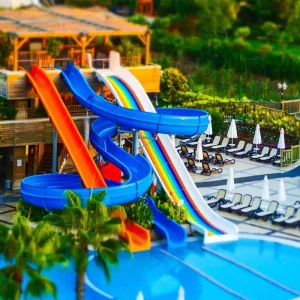
Tokyo Compact Series: OEM Kids Swimming Pool & Dry Deck Slide
Explore Model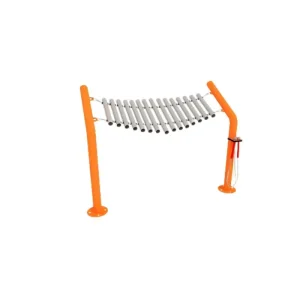
Tokyo Sensory Park: Custom Children's Outdoor Musical Instrument Panel
Explore Model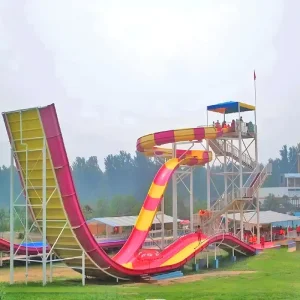
Tokyo Mega Resort: Factory-Direct Huge Boomerango Slide Complex
Explore Model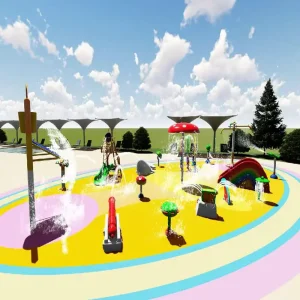
Tokyo Aqua-Dry Zone: Commercial Splash Pad & Spray Kit System
Explore Model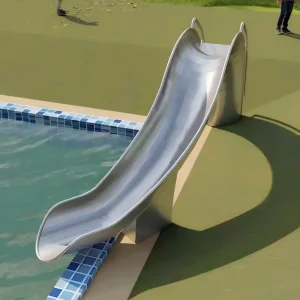
Tokyo Urban Deluxe: Small Stainless Steel Pool & Dry Park Slide
Explore Model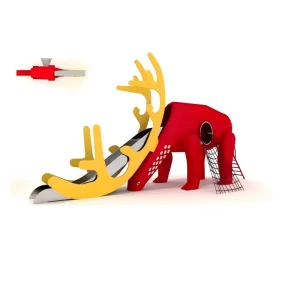
Tokyo Mascot Series: Custom Animal-Shaped Outdoor Play Station
Explore Model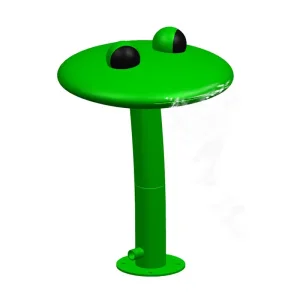
Tokyo Themed Play: Wholesale Frog Head Interactive Splash Module
Explore Model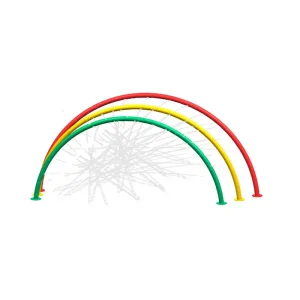
Tokyo Interactive Play: OEM Water & Dry Ring Loop Game Station
Explore ModelPlanning a Commercial Dry Park Project in Tokyo?
Get a complete factory-direct price quotation, CAD spatial planning, and 3D renderings from our senior amusement engineers within 24 hours.
Send Inquiry Now