High-Performance Splash Pad Spray Equipment for Korea
Factory-direct commercial water features engineered for South Korean resorts, municipal parks, and luxury real estate projects.
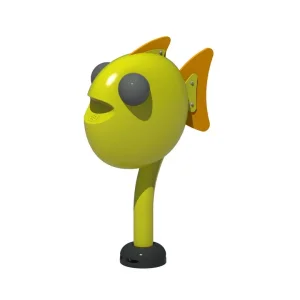
Korea Kids’ Aquarium Water Play Toys: Fish Sprayer Fun Manufacturers, Supplier
View Specs & Request Quote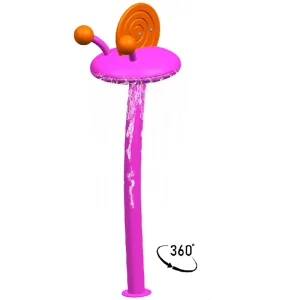
Custom Attractive Snail Sprayer Water Games for Korea Kids-Fun Splash Pad Manufacturers, Supplier
View Specs & Request Quote
ODM Tink Bell Style Splash Pad Water Spray Feature-Aqua Water Play Suppliers, Factories serving Korea
View Specs & Request Quote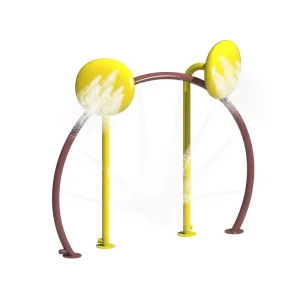
OEM Sunflower Splash Pad Interactive Water Play Feature Suppliers for Korea Commercial Parks
View Specs & Request QuoteSouth Korea’s Commercial Aquatic & Municipal Play Infrastructure Market
An in-depth evaluation of urban leisure planning, safety mandates, and modern zero-depth splash pad adoption across South Korea’s major metropolitan regions.
High Density Urbanization & Municipal Upgrades
South Korea’s rapid urban concentration—particularly within the Seoul Capital Area (Gyeonggi-do and Incheon), Busan, and Daegu—has driven an unprecedented demand for safe, space-efficient public recreational spaces. Traditional swimming pools require extensive land, dedicated lifeguarding personnel, and continuous high-volume water consumption. Consequently, Korean municipal authorities and real estate developers are aggressively transitioning toward zero-depth splash pads. These systems mitigate standing water drowning risks entirely while delivering dynamic, interactive sensory play for families.
Smart City Initiatives & Eco-Conscious Mandates
Under South Korea's national Smart City initiatives (e.g., Songdo IBD and Sejong Smart City), public infrastructure project specs dictate strict energy efficiency, automated control systems, and low-waste water management. Commercial aquatic installations must incorporate real-time water quality monitoring sensors, smart pressure-regulated spray nozzles, and automated recirculation skids compliant with the Korean Ministry of Environment water safety protocols. Factory suppliers serving this market must provide high-precision, IoT-compatible engineering designs.
SEO & Engineering Insight for Korean Developers: Modern Korean commercial projects require equipment built with AISI 316L marine-grade stainless steel and UV-stabilized RTM fiberglass to withstand harsh freeze-thaw winter cycles and coastal salt exposure in maritime regions such as Jeju Island, Incheon, and Busan.
Emerging Trends Shaping Commercial Splash Pad Manufacturing
How cutting-edge robotics, water recycling technology, and kinetic design redefine aquatic play systems worldwide.
Interactive & Sequenced Jet Systems
Static water features are rapidly being replaced by microprocessor-controlled, sequenced solenoid spray jets. Integrated with touch sensors, foot-activation pads, and synchronized LED illumination, these systems allow children to trigger customized water sequences, optimizing water usage when the pad is inactive.
Closed-Loop Recirculating Filtration Skids
Water conservation is central to municipal procurement in Korea. Modern splash pad installations employ modular filtration skids featuring multi-stage sand filters, secondary UV disinfection units, automated chlorination, and variable-frequency drive (VFD) pumps to cut energy consumption by up to 40%.
Multi-Seasonal Modular Adaptability
To maximize asset utilization in regions with cold winters like Seoul and Gangwon-do, splash pads are engineered with flush-mounted nozzles and removable spray features. In winter, water lines are drained and capped, enabling the concrete deck to function as a public dry plaza or winter light display venue.
Technical Matrix: Traditional Swimming Pools vs. Zero-Depth Smart Splash Pads
| Engineering Feature | Traditional Commercial Swimming Pools | Zero-Depth Commercial Smart Splash Pads |
|---|---|---|
| Drowning Risk & Lifeguard Needs | High risk; continuous certified lifeguard supervision mandated by Korean law. | Zero standing water; no lifeguard requirement under standard public play guidelines. |
| Water Recycling & Efficiency | Massive evaporation & high refill costs (500m³+ capacity). | Closed-loop surge tank (10–30m³); automated filtration cuts water waste by up to 85%. |
| Structural Material & Longevity | Concrete plaster / tile lined; prone to cracking in freeze-thaw cycles. | AISI 316L Stainless Steel & RTM Fiberglass; UV-stabilized anti-corrosion coating. |
| Space & Urban Versatility | Fixed footprint; unusable during autumn/winter months in Korea. | Flush-deck design convertibility; converts into dry plaza or event space in off-seasons. |
| Smart Automation & Control | Manual pump control & manual chemical testing. | IoT Smart Skid Control; programmable jet sequencing, remote dosing & energy scheduling. |
Global & South Korean Procurement Standards for Spray Park Equipment
Key technical criteria commercial buyers, EPC contractors, and municipal planning departments specify when selecting splash pad manufacturing partners.
1. Material Integrity & Structural Engineering
Procurement teams serving Korean commercial projects prioritize long-term resistance against environmental stress. Products must utilize heavy-duty AISI 316L stainless steel for ground manifolds and spray arches to withstand chlorinated water corrosion. Fiberglass components must be fabricated using Resin Transfer Molding (RTM) processes, producing dual-smooth gel-coated surfaces free of exposed glass fibers or sharp structural edges.
2. Safety Certification & Standard Adherence
Importing aquatic equipment into South Korea requires adherence to stringent child safety and public sanitation standards. Equipment must meet or exceed International Safety Standards (EN 1176, ASTM F2461) and provide structural calculation reports capable of passing South Korea’s KC Certification (Korea Certification) and the Special Act on Safety Control of Children's Products.
3. Comprehensive OEM/ODM Customization Capabilities
Every resort, shopping complex, and municipal park requires a unique identity. Global manufacturers must supply complete CAD/BIM block drawings, 3D photorealistic renderings, and customizable color schemes that reflect localized themes—such as marine life for Busan resorts or futuristic geometric lines for corporate plazas in Seoul.
4. Turnkey Engineering & Export Logistics Support
B2B buyers require seamless supply chain execution. From initial hydraulic flow design to export packaging, customs compliance, freight delivery to Busan or Incheon ports, and comprehensive installation manuals with video tutorials, manufacturers must deliver a stress-free turnkey procurement workflow.
Macro Architectural Solutions & South Korea Localized Compliance
End-to-end framework ensuring smooth project approval, structural stability, and water safety across Korean municipalities.
KC Safety Mark & Children's Act Compliance
All play features exported to Korea undergo rigorous physical safety testing. Surface coatings are tested for heavy metals and phthalates, corners are radiused to prevent impact injuries, and water velocity is hydraulically calibrated to protect children's eyes and sensitive skin.
Water Quality & Public Health Integration
Our recirculating systems feature chemical dosing pumps auto-calibrated to Korean water standards. Secondary UV sanitizers neutralize chlorine-resistant pathogens like Cryptosporidium, maintaining clean, safe play water during peak summer usage.
Seismic & Typhoon Structural Engineering
Korean coastal regions (e.g., Busan, Jeju) face severe seasonal typhoons. Our ground anchors, structural flanges, and underground piping connections are calculated to resist extreme lateral wind pressures and subterranean ground movements.
Technological Roadmap for Next-Gen Aquatic Facilities
Pioneering smart water play engineering designed for tomorrow's sustainable commercial developments.
AI-Powered Kinetic Water Sculptures
Integration of computer-vision AI cameras that detect player movement density and adapt jet height, spray patterns, and water dynamic movement in real-time. This optimizes guest engagement while dynamically scaling pump output during low-occupancy periods.
Zero-Waste Water Recovery & Thermal Energy Recycling
Future aquatic installations will link splash pad filtration backwashes with smart irrigation networks for surrounding parklands. Additionally, heat-recovery heat exchangers will utilize solar energy to maintain comfortable surface temperatures on deck areas.
Commercial Buyer Q&A: Splash Pad Procurement for Korea
Direct answers to common technical, regulatory, and logistics queries from architects, developers, and municipalities.
Do you offer free splash pad site layout and engineering designs for Korean projects?
Which materials are used for your commercial water spray features and splash pads?
How do your products comply with South Korea's KC Safety Certification and safety regulations?
What is the winterization procedure for splash pads installed in cold Korean regions like Seoul?
What is your typical production timeline and shipping duration to Busan or Incheon ports?
What warranty coverage and after-sales support do you provide?
Comprehensive Splash Pad & Aquatic Equipment Range serving Korea
Explore our complete range of certified interactive water features, spray buckets, and splash park equipment.
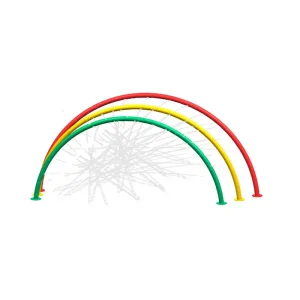
OEM Water Ring Games for Korea Kids-Loop into Endless Water Play Manufacturers, Suppliers
View Specs & Request Quote
OEM Fun Water Sprayer Pad for Korea Kids - Perfect for Tree Play Area Manufacturer
View Specs & Request Quote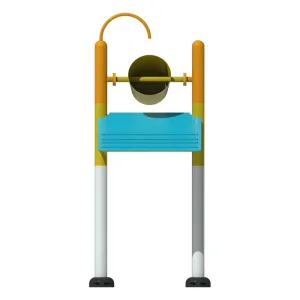
Commercial Dumping Water Bucket for Korea Outdoor Splash Fun Manufacturer, Supplier
View Specs & Request Quote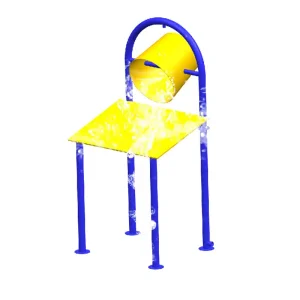
ODM Kids Water Sprinkler Bucket - Outdoor Water Play Factory serving Korea
View Specs & Request Quote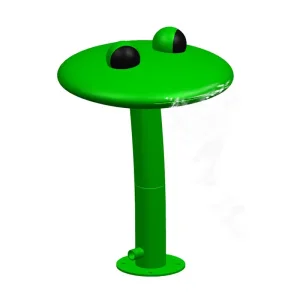
Frog Head Splash Pads for Korea Children's Entertainment Facilities Manufacturers, Supplier
View Specs & Request Quote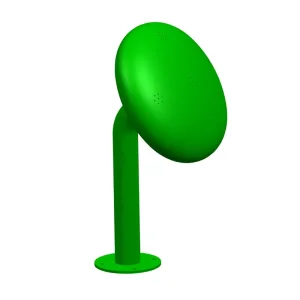
Custom Spray Pad Water Park Equipment For Korea Factory Direct Sales Manufacturers, Suppliers
View Specs & Request Quote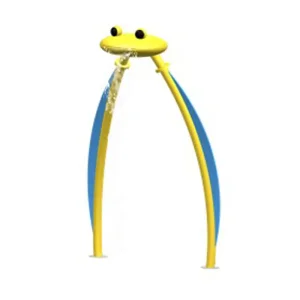
OEM Frog Sprayer Water Park Aquatic Play Equipment for Korea Manufacturer, Suppliers
View Specs & Request Quote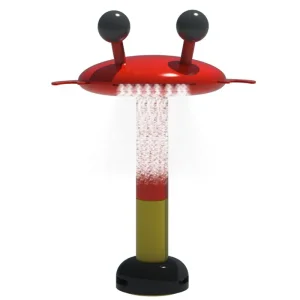
ODM Umbrella Fountain Splash Pad Features for Korea Kids Play Pools Manufacturers, Suppliers
View Specs & Request QuotePlanning a Splash Pad Project in South Korea?
Partner with a certified aquatic play manufacturer. Get customized 2D/3D layout designs, hydraulic engineering calculations, and factory-direct pricing tailored for your development site.
Send Inquiry Now